(function(w,q){w[q]=w[q]||[];w[q].push([“_mgc.load”])})(window,”_mgq”);
- Russia has lost territory in Ukraine for two months straight
- It’s possible Ukraine’s escalating heavy drone strikes are unraveling Russia’s front-line logistics
- One observer identified a possible turning point: last year’s battle for Pokrovsk
Ukrainian drones are striking harder and more often across occupied Ukraine and even deep into Russia itself. At the same time, Russia’s spring offensive is off to a slow start—if not already faltering.
The two things are almost certainly related. Russian forces still enjoy a manpower and firepower advantage over Ukrainian defenders. But Ukraine’s intensifying heavy drone strikes are fraying Russian logistics and chipping away at Russian regiments’ combat power before the regiments even begin their attacks.
There’s still time for Russia’s usual spring offensive to gain momentum, potentially leading to significant territorial gains for Moscow. But there’s another possible outcome for the regime of Russian Pres. Vladimir Putin. “With large-scale deep strikes on his territory, and a ground campaign not generating tempo, 2026 may be the worst year yet for Putin,” commented Mick Ryan, a retired Australian army general.
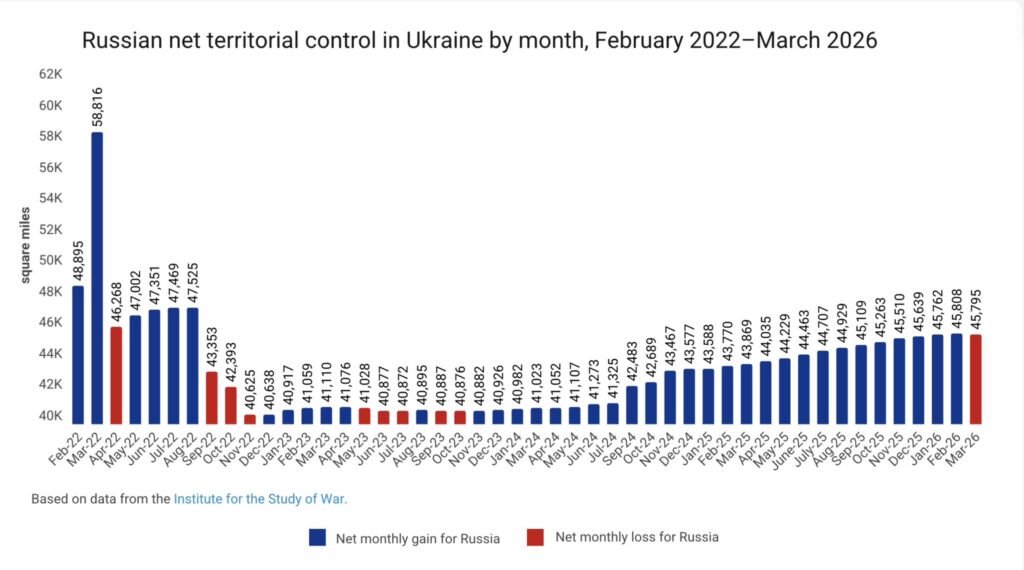
Russia Matters, a project of Harvard Kennedy School’s Belfer Center for Science and International Affairs, quantified what Ryan described as the “sputtering” Russian offensive. Borrowing data from the Washington, D.C.-based Institute for the Study of War, Russia Matters found that Russian forces suffered a loss of 67 square kilometers of Ukrainian territory in the month ending 28 April.
The Russians have actually been falling back, overall, for two months now. Russian forces gave up 31 square kilometers in March after gaining 119 square kilometers in February.
This month of April alone, Ukraine
launched 450 (!) successful strikes on Russia
and occupied territories.
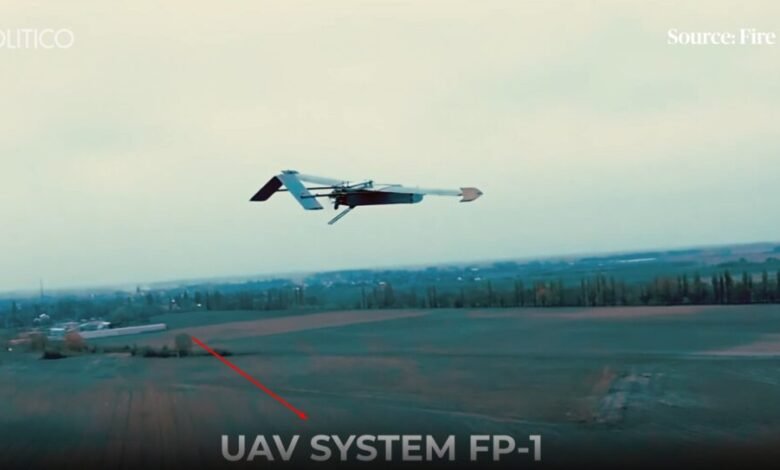
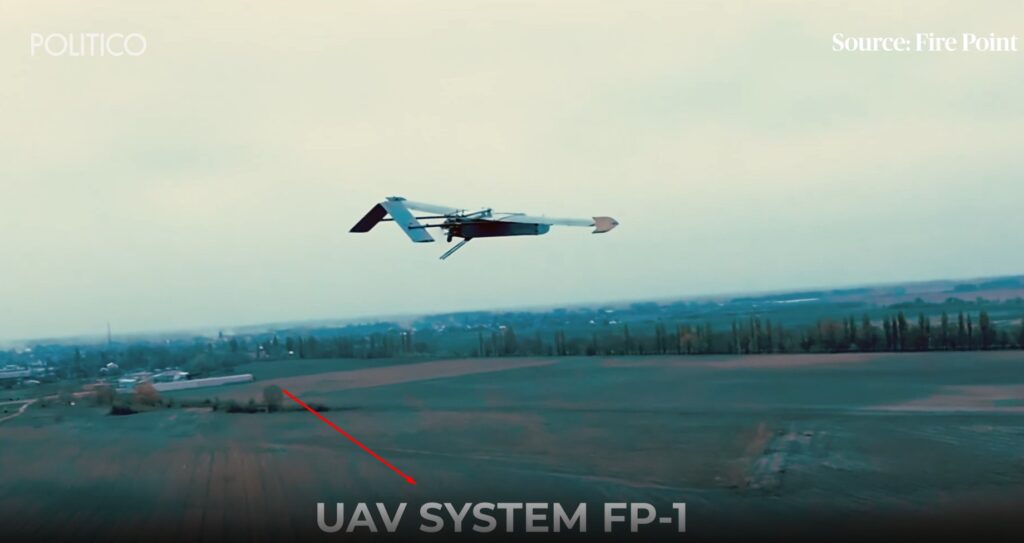
Among those are part of the nearly 600 mid-range strikes with FP-1 and FP-2 drones into occupied territories since the year started.
THREAD
pic.twitter.com/3OPpesMvNB
— Clément Molin (@clement_molin) April 29, 2026
The important caveat, according to Russia Matters, is that the Russians’ losses are net losses. Moscow’s regiments have retreated from some settlements in southeastern Ukraine but, according to Ukrainian mapper DeepState, have advanced in 10 other settlements: some in the southeast and others along the most important axes in the east including the Pokrovsk-to-Kramatorsk axis and the Chasiv Yar-to-Kramatorsk axis.
But losses are losses, and reason for optimism in Kyiv if they continue. They’re also evidence that Ukraine’s drone campaign is working. “It seems Ukraine want to use strategic drones as a game-changer,” mapper Clément Molin explained.
Molin mapped 440 drone strikes in April alone: 330 mid-range strikes inside occupied Ukraine and another 110 long-range strikes inside Russia.
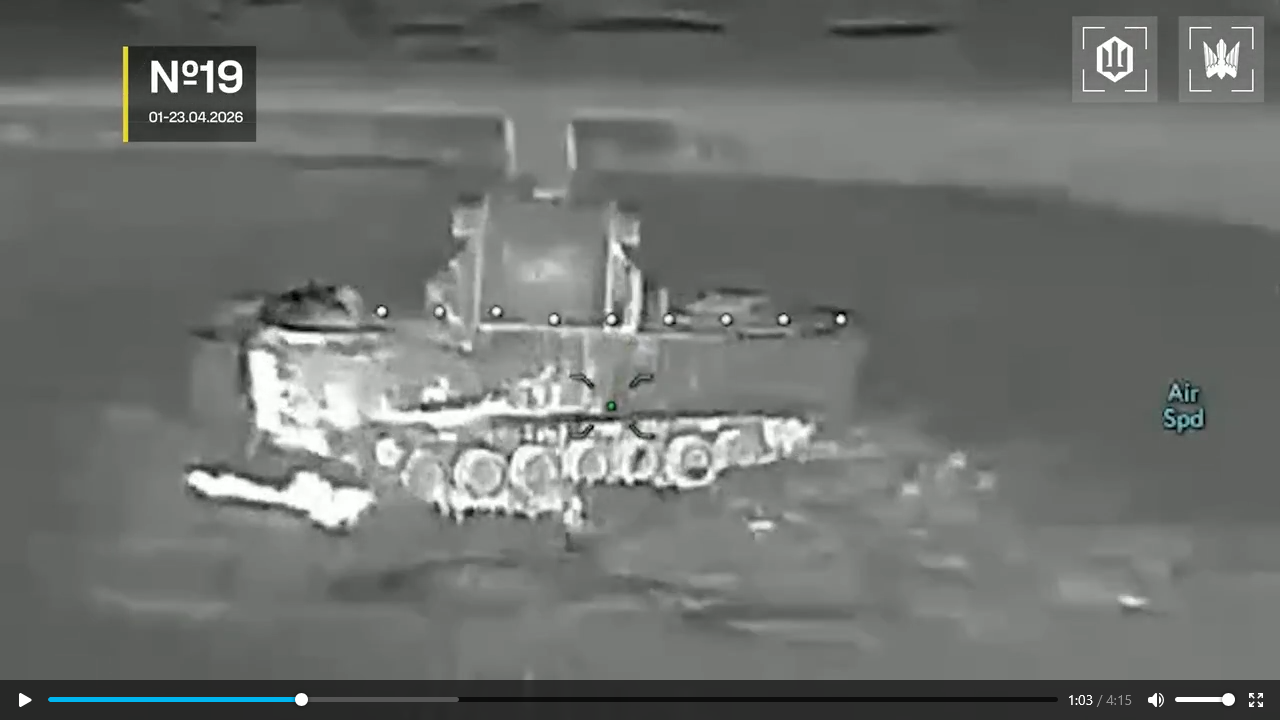
Mid-range strikes in the Russian logistical zone, stretching as far as 200 km from the disputed gray zone, have an immediate military impact as supply trucks, regimental headquarters and drone bases burn. Long-range strikes inside Russia damage factories and refiners in pursuit of longer-term economic impact.
Turning point
Shaun Pinner, a former British soldier who has fought for Ukraine, identified last year’s battle for Pokrovsk as a turning point. Russian forces finally captured the fortress city in December after a costly 18-month effort. “Pokrovsk is where Putin smashed his teeth,” Pinner wrote.
But the battle didn’t occur in a vacuum. Since last summer, Ukrainian drone teams have been systematically targeting Russian radars, surface-to-air missile batteries and mobile air defense systems all along the 1,200-km gray zone.
The strikes on Russian air defenses—at least 492 of them between June and early March—are “collaps[ing] the layered defensive architecture that the Russian integrated air defense doctrine depends upon to function,” according to an in-depth investigation by Tochnyi.info.
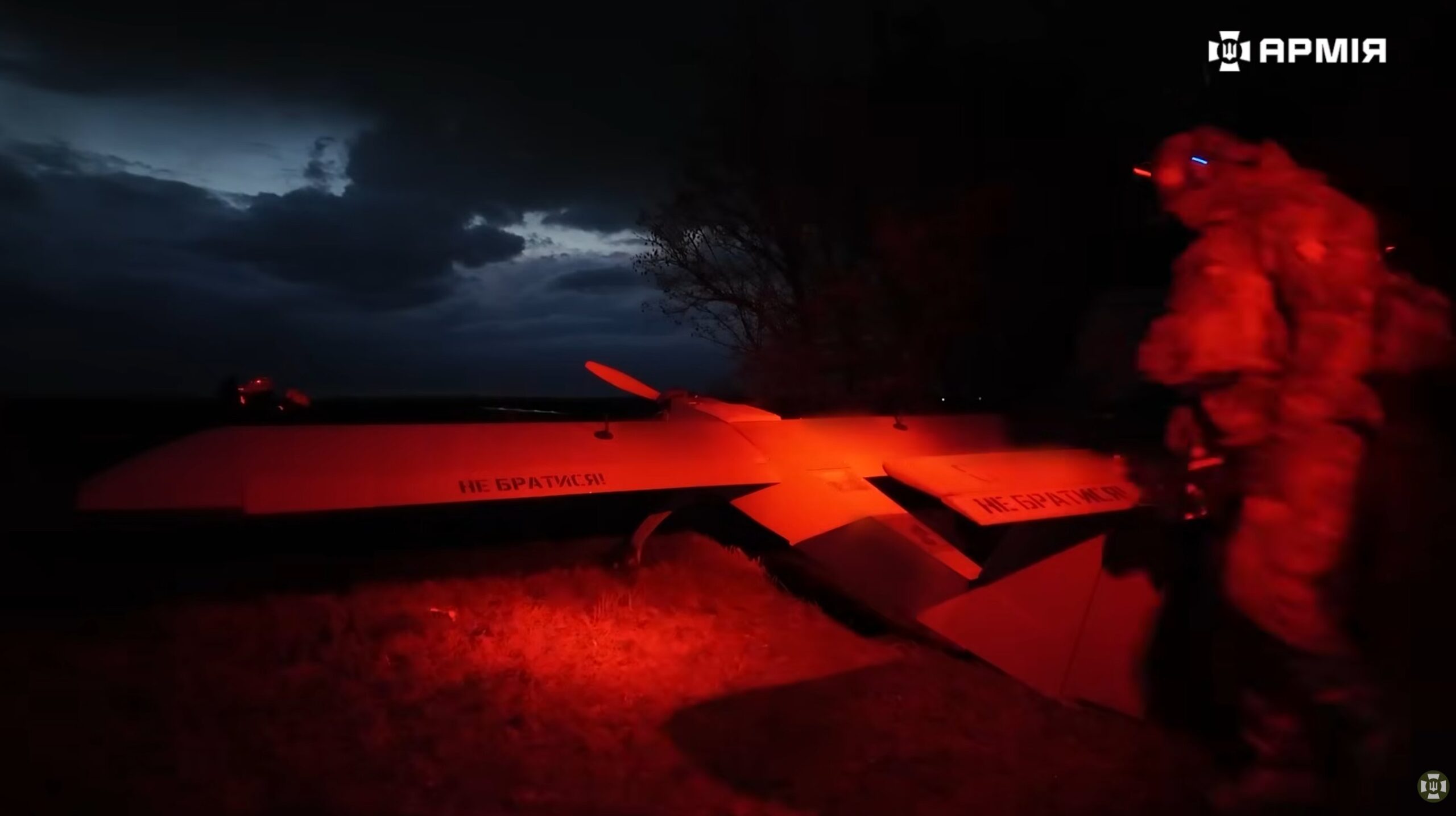
More Ukrainian drones are hitting Russian supply lines. The hardened targets are fine.
Destroying the right air defenses faster than the Russians can replace them has the effect of “facilitating strikes on more critical targets deep within Russian territory,” Tochnyi.info explained.
It seems those strikes are in turn gradually eroding the Russians’ fighting strength. “We are methodically destroying the key elements of the enemy’s military infrastructure,” stated Yevhen Khmara, the head of Ukraine’s state security service.
No one pretends the drone campaign will bring a swift end to Russia’s wider war on Ukraine. It is, at best, a slow strategic effort that could gradually tilt the battlefield back in Ukraine’s favor.
The Russians may still advance in the short and medium term. They may even advance a lot when and where local conditions favor Russia’s larger front-line force.
But that doesn’t necessarily mean Russia is winning.
(function(w,q){w[q]=w[q]||[];w[q].push([“_mgc.load”])})(window,”_mgq”);
Source link