The Short Short Version
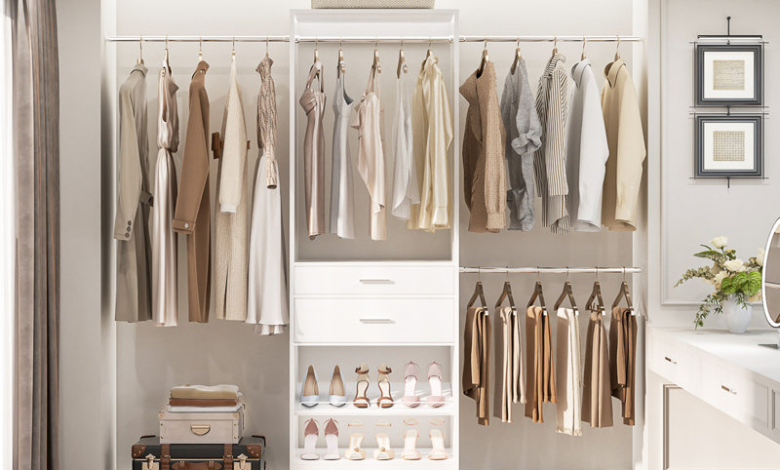
- An organized closet is not a luxury, it is a time-saving, stress-reducing, money-protecting necessity.
- Start with a full purge. No purge, no real organization. That is just rearranging the chaos.
- Upgrade your hangers. It sounds minor. It changes everything.
- Organize by type first, then by color within each type. Your future self will thank you every single morning.
- The one-in-one-out rule is the only thing standing between your organized closet and the chaos creeping back in.
If your morning routine involves standing in front of a full closet convinced you have absolutely nothing to wear, this one is for you. That is not a you problem. That is a system problem. And systems can be fixed.
A truly organized closet does not require a walk-in the size of a studio apartment or a Container Store budget. What it does require is a little ruthlessness, the right framework, and the discipline to maintain it. The payoff… getting dressed in less time, knowing exactly what you own, and stopping the cycle of buying things you already have, is worth every minute of the initial effort.
This is part three of your organized closet reset:
- Start here: 4 Steps to Cleaning Up Your Wardrobe This Spring
- Then read: Spring Cleaning Closet Tips
- Now: keeping your organized closet that way
I do this every season. Deeply, deliberately, and with full Virgo energy. Here is the full system.
Here Is How to Keep an Organized Closet
Step 1: The Purge (a.k.a. Let It Go, Boo)
Before you organize a single thing, you need to edit. You cannot create a functional system around items that should not be in the system at all. This is the step most people skip or rush, and it is exactly why the chaos comes back within a month.
If you need a deeper walkthrough of how to purge effectively, start with our full guide to cleaning out your wardrobe.
Pull everything out. Then ask yourself the honest questions:
- When did I last actually wear this?
- Does it still have tags? Why?
- Am I keeping this for a future occasion that has not materialized in over a year?
- Is it genuinely in good condition, or am I making peace with a stain that is not going anywhere?
My rule? If you have to negotiate with yourself about keeping it, it is already on its way out.
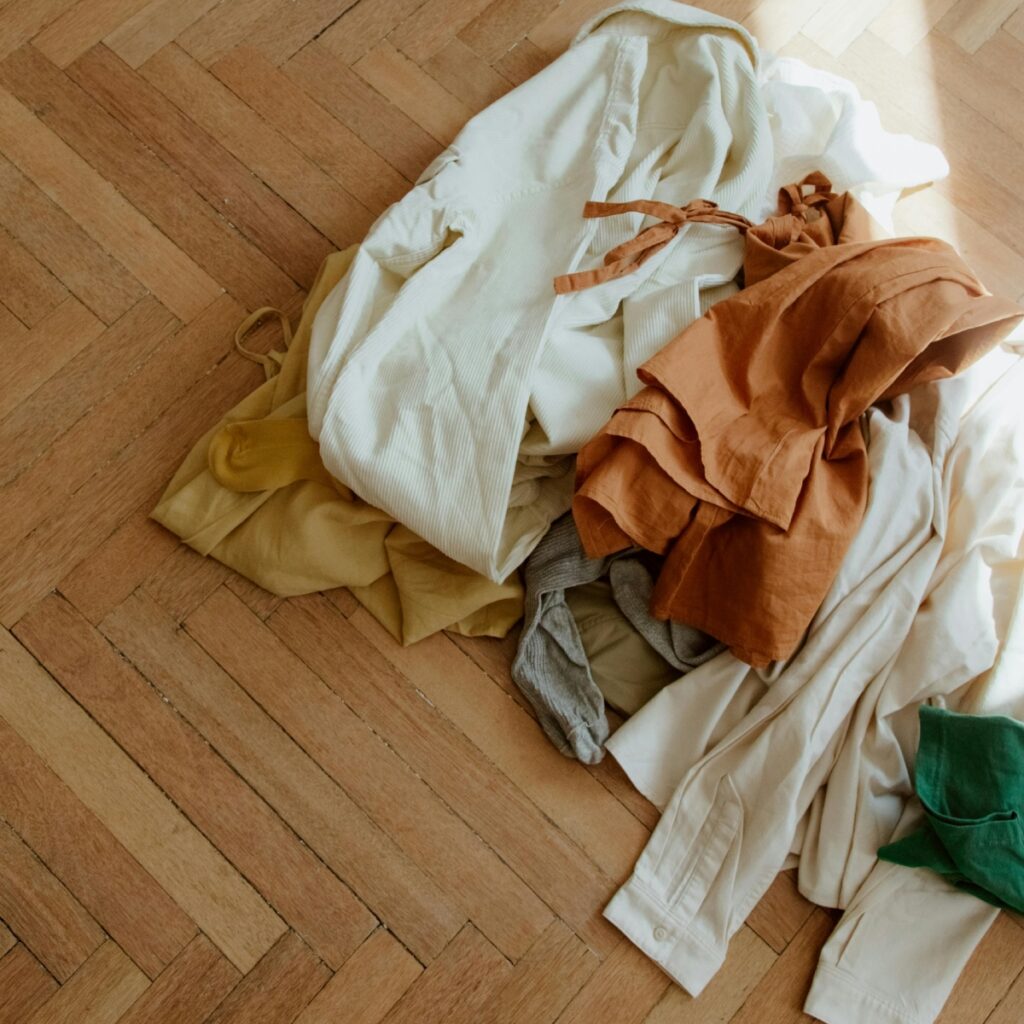
If you hesitate on any of those, the answer is donate, sell, or toss.
Your closet should be full of pieces that make you feel good right now, not guilty about the past or anxious about an imaginary future.
Did you know that research from UCLA’s Center on Everyday Lives of Families has shown that cluttered spaces increase stress and decision fatigue? This means the more crowded your closet is, the harder it actually becomes to get dressed!
For pieces still in great condition, a plus size resale or consignment shop is a smart move… you recoup a little and someone else gets exactly what they were looking for.
Step 2: Hanger Game Strong
This sounds like a small thing. It is not a small thing.
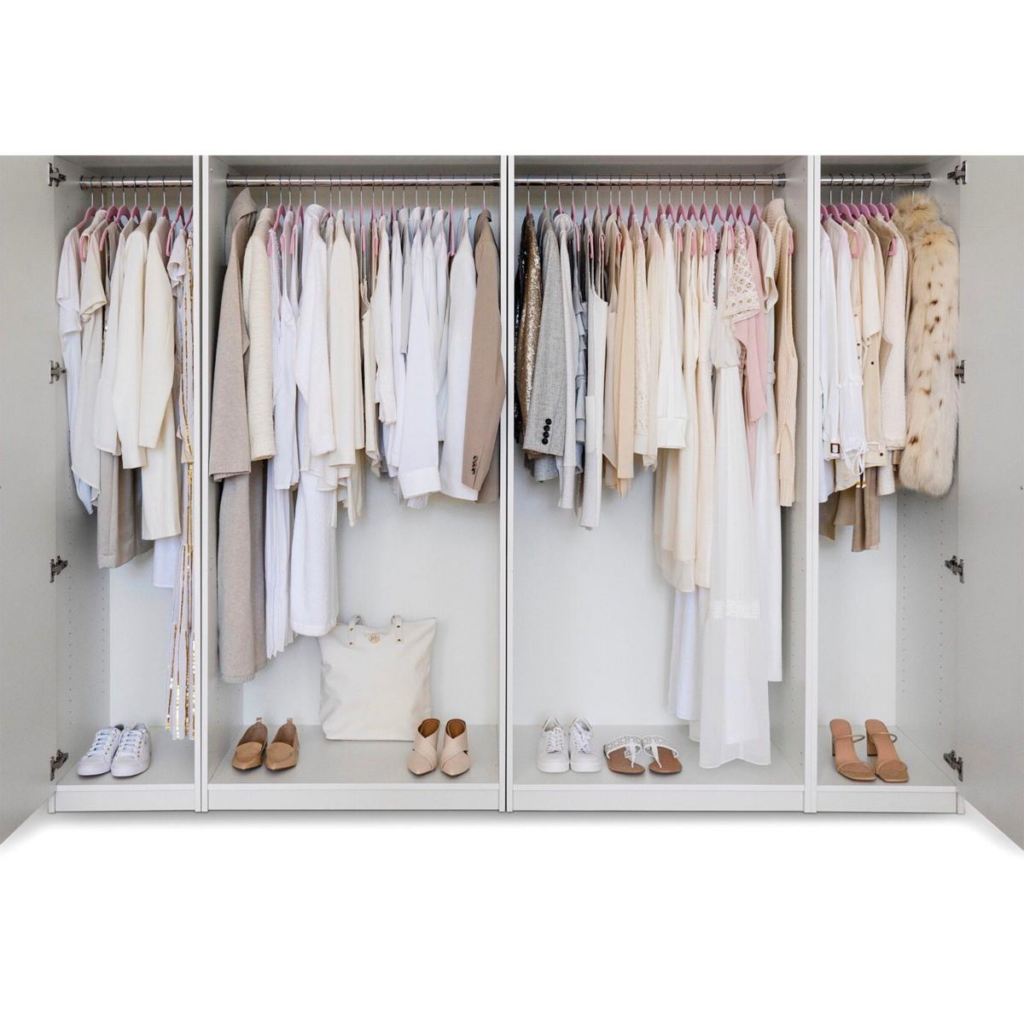
The right hangers protect your clothes, save space, and make your closet look intentional instead of inherited. A chaotic mix of wire, plastic, and chunky wooden hangers creates visual noise that makes it harder to find things and easier to feel overwhelmed.
According to garment care experts, improper hangers can stretch knits, distort shoulders, and shorten the lifespan of your clothing.
Velvet hangers are the move. They grip fabric without stretching it, they are slim enough to fit significantly more into the same rod space, and they make everything look more uniform.
My personal recommendation: Huggable Hangers from HSN.
Consistent hangers are one of the fastest, cheapest upgrades you can make to an organized closet system.
Step 3: The Layout (Because Chaos Is Not Cute)
Two methods, both effective. Use one or combine them for maximum efficiency.
- By Type: Dresses together. Blouses together. Blazers together. Bottoms together. Every category has its own zone.
- By Color: Within each type, arrange from light to dark. White to cream to pastels to brights to navies and blacks.
The combination approach, type first, color within type, is the most functional system.
This is also the same visual merchandising strategy used in retail stores to guide the eye and simplify decision-making.
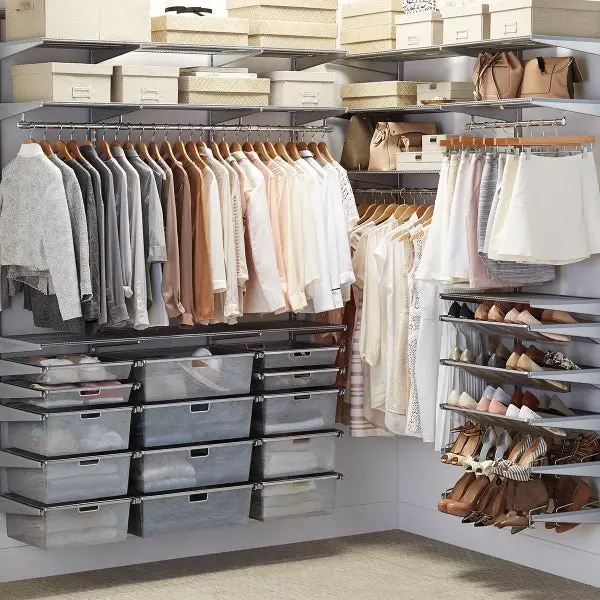
It makes outfit building faster, gap-spotting easier, and duplicates impossible to hide.
This is where your closet stops feeling like storage and starts feeling like a boutique.
Think of it like the Sunday Reset mindset applied to your wardrobe space. Every piece earns its place. The closet is curated, not crammed.
If you want to go deeper on tools and hardware, NYT Wirecutter’s closet organizing guide is a thorough resource for the more involved setup.
Step 4: Accessory Heaven (Because Shoes and Bags Deserve Their Own System)
Accessories are where most closets fall apart after the main clothing is handled.
Shoes piled up. Bags stacked on top of each other. Jewelry tangled somewhere at the back of a drawer. These things deserve their own dedicated space and strategy.
- Velvet belt and scarf hangers keep them visible and tangle-free.
- Stackable clear shoe boxes let you see everything at a glance without digging. ClosetMaid makes solid affordable options.
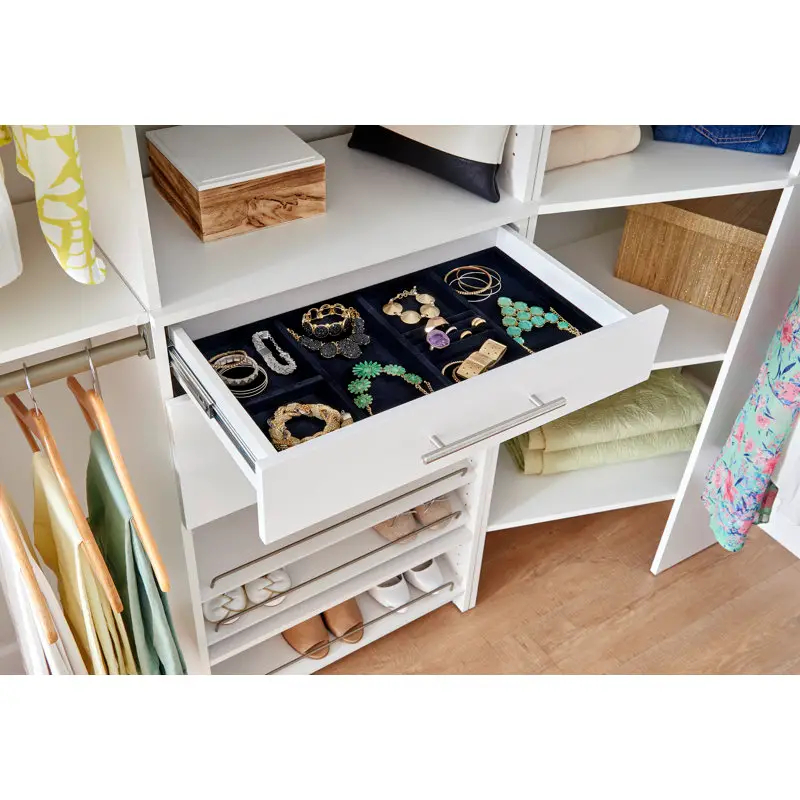
- Jewelry trays or hanging organizers prevent the tangled necklace situation from ever happening again.
Check sales on Wayfair and AllModern for storage finds at accessible price points. The SuiteSymphony Jewelry Accessory Tray is a particularly good option if you want something that looks as good as it functions.
Step 5: The Discipline (a.k.a. Actually Keeping It Cute)
Here is the step that separates a one-time closet project from a genuinely organized life.
The one-in-one-out rule: every time something new enters your closet, something leaves. No exceptions, no negotiations.
This rule works because it interrupts accumulation habits at the exact point they begin: when you are bringing something new in.
This is the part nobody wants to do… and the only part that actually keeps this whole system from falling apart.
If you are building a full routine, our spring closet tips break down how to maintain this beyond just organizing.
And when life gets busy and things slip?
Do not spiral.
Put on a good playlist, take a Saturday morning, and reset. The system is still there. It just needs a refresh.
You built it once. Rebuilding is always faster than the first time.
Your Organized Closet Quick Reset Checklist
- Purge everything first (no exceptions)
- Standardize your hangers
- Organize by type, then by color
- Create dedicated zones for accessories
- Follow the one-in-one-out rule consistently
Common Organized Closet Mistakes to Avoid
- Organizing without purging first
- Buying storage solutions before editing your wardrobe
- Ignoring maintenance habits after the initial cleanout
The Fitting Room: Your Questions, Answered
What is the best way to organize a closet for maximum efficiency?
Start with a full purge, no skipping this step. Then organize by type (dresses, tops, bottoms, outerwear) and within each type, sort by color from light to dark. Use quality hangers for visual consistency and space efficiency, and create designated zones for shoes, bags, and jewelry.
The goal is a system where every item has a specific home and getting dressed is a five-minute process, not a twenty-minute one.
How do I decide what to keep when organizing my closet?
Ask yourself four questions: Have I worn this in the past year? Does it fit well right now? Is it in good condition? Does it make me feel good when I put it on? If the answer to any of these is no, it is a candidate for the donate, sell, or toss pile. Be especially ruthless about “just in case” items… if that case has not arrived in 12 months, it is not coming.
Should I organize my closet by color or by type?
Both, and in that order. Organize by type first so outfit building is intuitive, then sort each type by color from light to dark.
This gives you visual cohesion and makes it impossible to lose things. It also makes gaps in your wardrobe obvious at a glance, which makes shopping more intentional.
What is the one-in-one-out rule and does it actually work?
It works. Every time something new comes into the closet, something leaves. Full stop. It forces intentional purchasing and prevents the slow accumulation that turns a clean closet back into a chaotic one.
The discipline of letting go before bringing something new in keeps the wardrobe curated rather than cluttered.
Do better hangers really make a difference?
Yes. Quality velvet or wooden hangers protect your clothes from stretching and slipping, save significant space compared to bulky plastic or wire options, and create the visual consistency that makes a closet feel like a boutique rather than a storage unit.
Uniform hangers are one of the highest-impact, lowest-cost upgrades you can make.
How do I organize a small closet with limited space?
Maximize vertical space with stackable bins and multi-tier hangers. Use slim velvet hangers to fit more on each rod. Install hooks on the back of the door for bags and accessories. Store off-season pieces elsewhere.
Most importantly: be ruthless about only keeping what you actively wear. A small closet demands curation. The one-in-one-out rule is non-negotiable in a tight space.
How often should I reorganize my closet?
A full seasonal edit twice a year: spring and fall, keeps the system healthy and the rotation current. A quick monthly check-in (ten minutes, genuinely) catches pieces that have fallen out of use before the clutter builds. If you are already doing a weekly Sunday Reset, fold a five-minute closet scan into that routine.
This article, The Ultimate Guide to an Organized Closet: Say Goodbye to Closet Chaos first appeared on The Curvy Fashionista and is written by Marie Denee.
Never miss the latest in plus size fashion news, trends, and conversations! Sign up for Curvy Fashionista Newsletter!
Source link