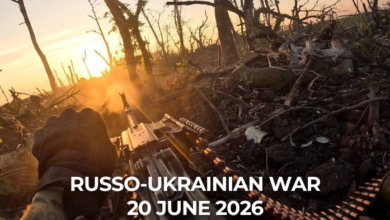
Russian pilots chase Ukraine’s glide-bomb jets. They will soon meet Gripens’ 200-km Meteors.

(function(w,q){w[q]=w[q]||[];w[q].push([“_mgc.load”])})(window,”_mgq”);
Ukraine is beginning to fly its glide-bombing jets in escorted pairs—one low with the bombs, one high to drive off Russian fighters—and the Swedish Gripen jets it has on order could make that tactic far more effective, Euromaidan Press defense writer David Axe reported.
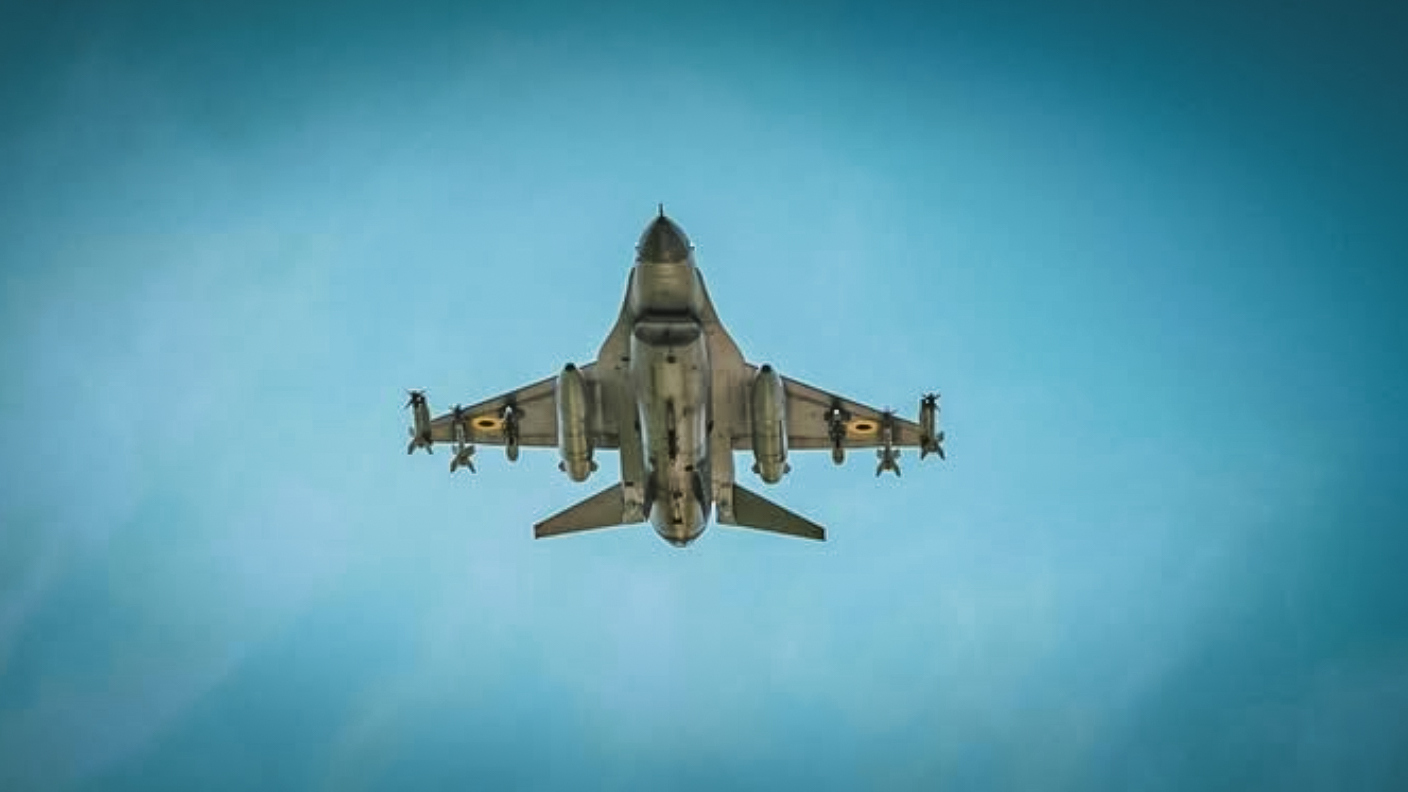
Ukrainian jets now fly in pairs: one lobs cheap glide bombs, the other swats off Russian jets
The shift matters because Ukraine’s air war is turning around. For most of Russia’s war on Ukraine, Russia did the glide bombing—lobbing thousands of cheap KABs a month at Ukrainian positions from jets that launched safely behind their own lines. Now Ukraine is flying its own glide-bomb sorties with American, French, and homegrown bombs—which means its jets have to push forward into contested airspace, close enough for Russian interceptors to pounce.
The escort is what lets them survive there: one jet bombs while a second flies high, ready to fire on any Russian plane that closes in.
For now, the pairing already frustrates the Russians. The Russian military Telegram channel that first described the Ukrainian pairings even conceded the crews are hard to catch—the moment a Russian fighter launches, the Ukrainians abort and run, tracking the incoming missile the whole way out.
The farther that the bombers’ escorts can reach, the farther forward the bombers can fly—and the deeper their glide bombs land. Reach is exactly what the Gripen adds.
The jet already had a claim on Ukraine’s future, and it rested on survival. Sweden built the Gripen in the 1980s to outlast Soviet strikes on its air bases—tough and nimble enough to operate from highway strips and 500-meter stretches of road, the same dispersed, rough-field flying that has kept Ukraine’s air force alive.

The Swedish jets Ukraine could get were built to survive Russia—and that’s the point
That was the first argument for the Gripen: it survives Russia. The long-range Meteor missile is the second.
The F-16s and Soviet-era Su-27s flying cover now carry missiles reaching roughly 70 to 160 km. The Meteor, powered by a ramjet, reaches as far as 200 km—outdistancing Russia’s R-27, edging out the newest AIM-120, and matching the R-77.
It is a class of weapon Ukraine has never fielded: a true long-range air-to-air missile, rare even in Western arsenals. And because the ramjet keeps burning where older missiles coast and bleed speed, Russian pilots cannot shake it the way they now shake the shorter-range missiles fired at them.

Russia still holds the top end. Its R-37 missile, at 300 km, outranges anything Ukraine flies, so this narrows the gap rather than closing it.
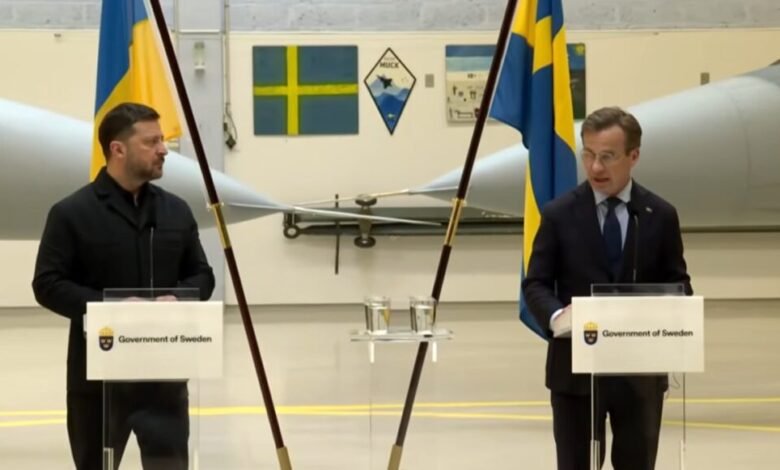
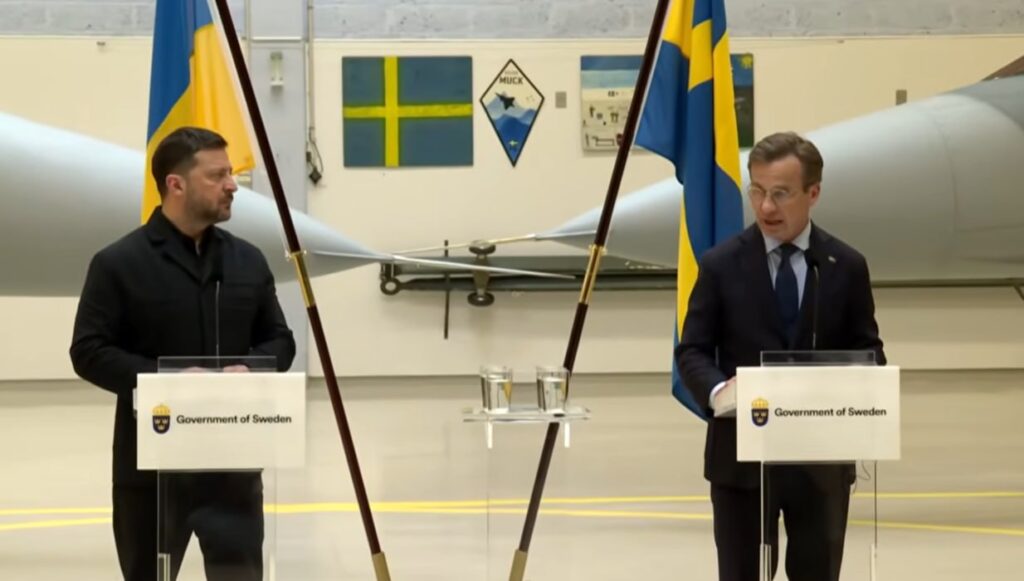
The Gripens are not flying these missions yet. Sweden will hand over the first 16 C/D jets as a down payment on a deal that could eventually reach 150, and Ukrainian pilots have already started training on them. Once they are up, the missiles guarding Ukraine’s bombers could be reaching the Russians from much farther away than they do now.
Ukrainian pilots have started training on Swedish Gripens — jets that may carry long-range Meteor missile
(function(w,q){w[q]=w[q]||[];w[q].push([“_mgc.load”])})(window,”_mgq”);
Source link