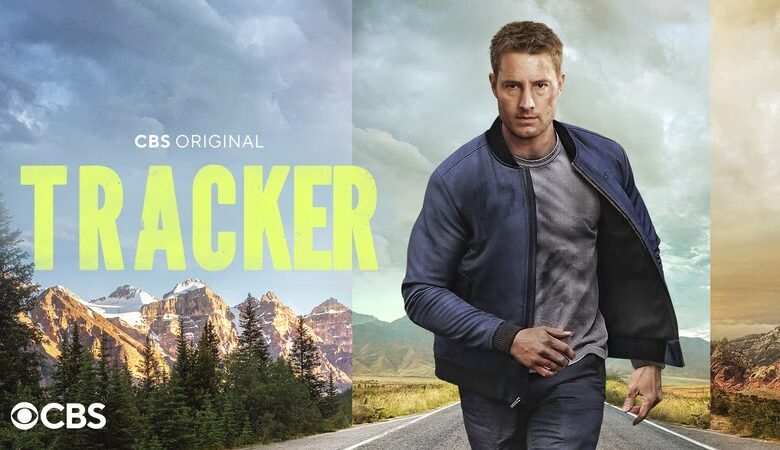
The latest episode of Tracker, “Chain of Custody,” wastes absolutely no time pulling viewers into a tense, layered mystery that quickly evolves into something far more personal and morally complex than it initially appears. What begins as a seemingly straightforward witness disappearance tied to a corporate lawsuit spirals into a story about buried identities, past sins, and the fragile nature of redemption, all while delivering one of the show’s most emotionally heavy episodes to date.
A Disappearance That Felt Too Clean
From there, the narrative smartly split into two tracks: the procedural urgency of finding Kurtis and the emotional stakes tied to Reenie, who immediately internalized the situation as her fault.
The Investigation
Colter’s methodical breakdown of the crime scene, which included no forced entry, a hidden attacker, and a missing knife, was realistic to a procedural, but it was the unanswered questions that drove the tension. Why would a victim kill an intruder and then flee? Why stage a car accident? Why not call the police?
Each answer led to another contradiction, and the episode excelled at keeping both the audience and the characters slightly off-balance.
 |
| “Chain of Custody” – TRACKER, Pictured: Justin Hartley as Colter Shaw and Fiona Rene as Reenie Greene. Photo: Darko Sikman/CBS ©2026 CBS Broadcasting, Inc. All Rights Reserved. |
The turning point came when Kurtis was finally located and revealed that he is not simply a victim, but a man running from a past he tried to erase. The introduction of Lowell Parker and the Dixie Mafia reframed everything, not just Kurtis’s disappearance, but the entire episode.
Kurtis’s real identity as Eugene, a former enforcer who disappeared and built a new life, added a tragic dimension to his character. His involvement in Parker’s world, particularly the devastating backstory involving Parker’s daughter’s overdose, transformed the conflict into something deeply personal. This was no longer about corporate corruption, it was about revenge, guilt, and the illusion that one can outrun their past.
The writing here was particularly strong because it avoided simplifying Kurtis into either a villain or a victim. He was both, and the episode allowed that complexity to sit uncomfortably.
Reenie’s Episode: Control, Identity, and Vulnerability
Her interactions with Kurtis were especially powerful, culminating in a moment where she reframed his self-perception: He saw himself as a man who didn’t deserve a second chance, but she reminded him that he chose to step forward and help others, and that choice matters.
This theme was mirrored in her own confession later in the episode, where she revealled her troubled past and the moment she decided to take control of her own narrative. The metaphor she shared, being either “the painter or the paint,” beautifully encapsulated the episode’s central idea that identity is not fixed it is chosen.
Her vulnerability in the final scenes, particularly when she finally admitted after weeks of denial, how her past trauma had resurfaced, added emotional weight that lingered long after the action concluded.
A High-Stakes Climax
The final confrontation is classic Tracker, chaotic, intense, and cleverly staged. The decision to use the oxygen tank explosion as a tactical distraction was both visually dynamic and narratively satisfying, tying back to Kurtis’s earlier vulnerability.
Reenie’s involvement in the action, including her desperate intervention with the car, underscored how personal the stakes had become for her. She was no longer just the attorney fighting for justice; she was someone fighting to save a life.
Corruption in Plain Sight
Reenie’s decision to leverage that truth into a settlement rather than pursue formal charges was genius, if not morally gray. It reflected the reality that justice is not always clean or absolute.
 |
| “Chain of Custody” – TRACKER, Pictured: Fiona Rene as Reenie Greene. Photo: Darko Sikman/CBS ©2026 CBS Broadcasting, Inc. All Rights Reserved. |
A Quiet, Powerful Ending
Colter’s insight that control does not come from a weapon, landed with quiet impact, especially as Reenie began to reclaim her confidence. Their dynamic continues to be one of the show’s strongest elements, built on mutual respect rather than forced drama.
Final Verdict
By the end, the episode left you with a lingering question: can a person ever truly escape who they were, or is redemption simply about choosing who to be next?
Either way, Tracker proved once again that its best stories are not just about finding people, they are about understanding them.
Source link