(function(w,q){w[q]=w[q]||[];w[q].push([“_mgc.load”])})(window,”_mgq”);
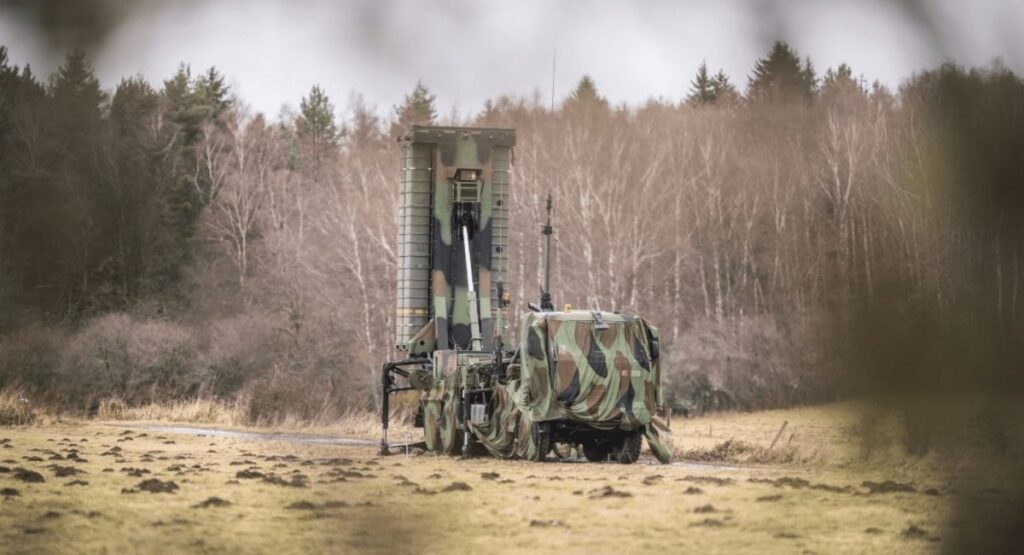
The Ukrainian Air Force has revealed details of the new European-made SAMP-T NG surface-to-air missile system, which will undergo testing in Ukraine. According to Yuri Ihnat, the head of the Communications Department of the Air Force Command, Kyiv will intercept ballistic missiles with it.
Ukraine plans to test whether the SAMP-T NG can successfully intercept ballistic threats later in 2026, President Volodymyr Zelensky says. If proven effective, the system could become a long-term reinforcement for Ukraine’s air defense network.
A shield against the most dangerous missiles
Ignat emphasizes the importance of France supplying these systems amid the shortage of missiles from the US.
“Knowing that France is ready to provide us with SAMP-T NG is very encouraging, especially if the system can intercept ballistic missiles,” he says.
They don’t just include Iskander-M, but also North Korean KN-23s and Kinzhal missiles, according to Ihnat.
“Having an alternative to Patriot batteries, which have some limitations, will be extremely valuable for our air defense,” the official explains.
He also notes that Ukrainian air defense crews are already trained on SAMP-T systems, which have successfully intercepted Russian aircraft.
Why SAMP-T NG could protect Ukrainian cities and energy infrastructure
Ballistic missiles are among the hardest aerial threats to intercept due to their high speeds and steep trajectories. Currently, the most reliable protection comes from US-made Patriot systems, provided by Western partners through the PURL mechanism.
Ukraine has relied heavily on Patriot batteries to defend major cities and critical infrastructure, especially during periods when Russia intensified ballistic missile attacks as part of large-scale strikes. These attacks escalated in winter 2025–2026, targeting Ukraine’s energy grid with combinations of drones, cruise missiles, and ballistic missiles in an attempt to damage the electrical network during the coldest months.
Read also
-
Europe may turn into Ukraine’s ammo powerhouse— factories ready to churn out AIM-120C-8 missiles
-
Two weeks of someone else’s war earned Russia more than a month of someone else’s sanctions cost it
-
Ukraine recognized these Russian soldiers from battle that defined 2014. This time, Oplot was gone to last man
(function(w,q){w[q]=w[q]||[];w[q].push([“_mgc.load”])})(window,”_mgq”);
Source link