Here’s something the fashion industry doesn’t want you to know: we’re worth nearly half a trillion dollars. That’s right. The global plus size clothing market is projected to hit $426 billion by 2030, up from $282 billion in 2024. We’re not asking for a seat at the table anymore… we bought the whole damn restaurant. Yet every fashion week, we’re still treated like we’re lucky to get table scraps.
So, let’s talk about what really happens when an industry takes your money but refuses to see you, you know… that funny little thing called plus size fashion representation.
As NYFW Approaches, the Same Old Story Looms
New York Fashion Week 2026 is here, and if you’re a plus size woman, you already know how this story ends. Runway after runway will showcase sample size models. Designers will debut “groundbreaking” collections that stop at size 10. The fashion press will celebrate “innovation” while the bodies that actually exist in the world… well, we’ll be watching from the sidelines. Again.
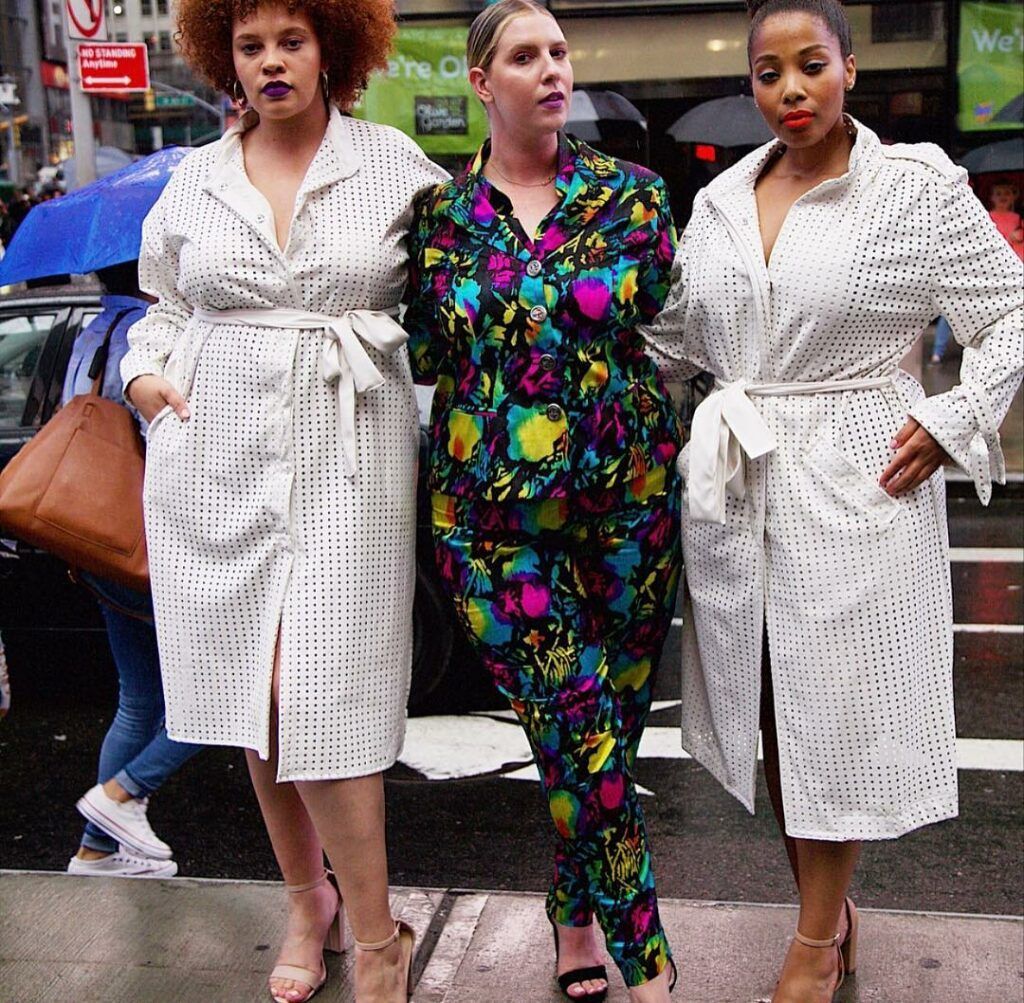
It’s exhausting, honestly. Despite the billions of dollars plus size consumers pour into the fashion economy, major designers and fashion houses still treat size inclusivity like it’s optional, experimental, or worse, charity work.
The numbers don’t lie. Only 0.6% of runway looks at major fashion weeks featured plus size models in recent seasons, and nothing suggests NYFW 2026 will be any different. This isn’t just disappointing. It’s a massive disconnect from reality and what consumers are actually demanding.
Industry insiders have watched this pattern repeat itself season after season. As Kellie Brown, founder of And I Get Dressed, observed about a recent fashion week: “Last season felt more inclusive than ever in my opinion, and I immediately thought, ‘They think that body diversity is a trend and they’re going to take it away.’ So this season when I saw maybe three women on the runway… it reminded me that our work is nowhere near finished.”
Plus Size Fashion Is Cultural Commentary, Not Just Commerce
But here’s what the industry keeps missing: plus size fashion isn’t about selling clothes. It’s cultural commentary. It’s political resistance. It’s a radical act of self-determination in a world that constantly tells bigger bodies they’re too much, yet somehow never enough.
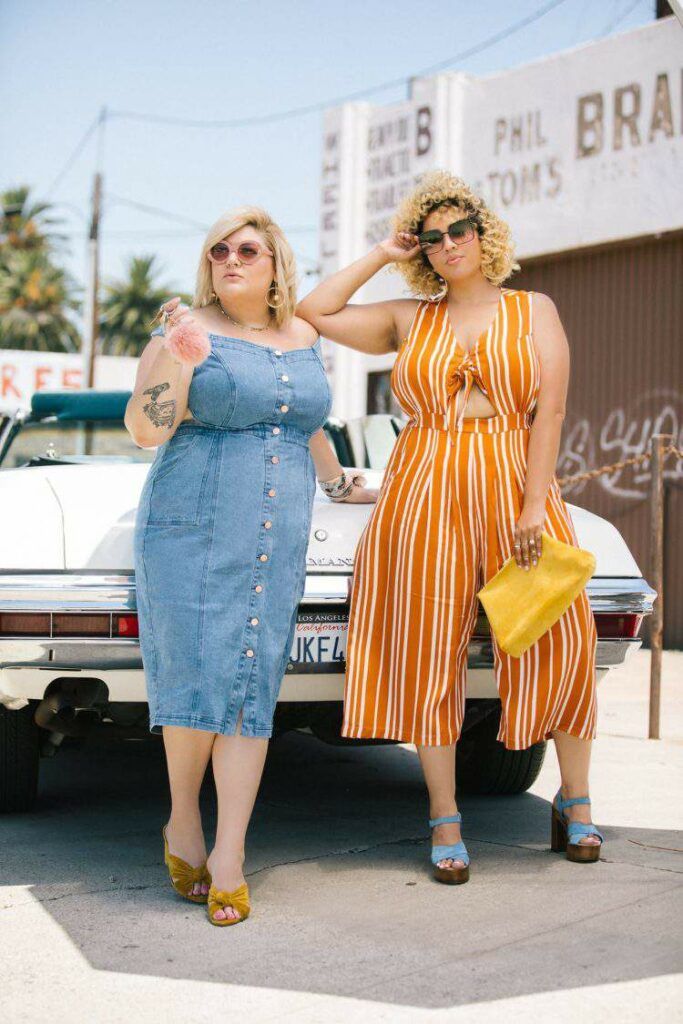
When designers like Nicolette Mason and Gabi Gregg launched their brand Premme in 2017, they did it out of pure frustration. As Mason explained, “Premme is about delivering the same fashion options offered to the straight size set, without settling for watered down versions of what we really want.”
This is why the annual NYFW disappointment cuts deeper than aesthetics. Each season that plus size bodies are excluded from runways sends a harmful message: that fashion, and by extension beauty, desirability, and cultural relevance, belongs only to the thin.
Plus SIze Fashion Representation Inspires Confidence
That 0.6% stat? It comes from Vogue Business, and it’s a damning indictment of an industry that claims to celebrate creativity and innovation. When plus size models do appear, it’s news. When they don’t… it’s Tuesday.
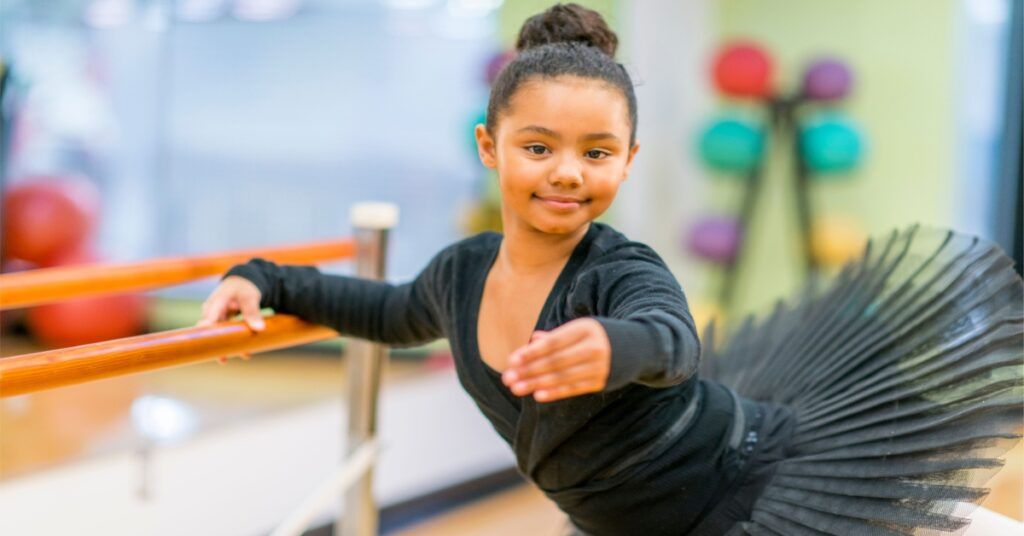
Think about what that does to a young girl scrolling through fashion content. When she only sees one body type elevated season after season, the message is crystal clear: you don’t belong here.
Nicolette Mason addressed this directly when discussing representation in luxury fashion: “I believe that representation, to an extent, can shift the way people view themselves, and each other. That being seen & shown as beautiful, luxurious, worthy of investment… that that helps people see, appreciate, and believe in their own beauty. That they deserve. That they belong. That there is possibility.”
Designers Must Do Better
There’s a rising call from voices like Paloma Elsesser for designers to create clothing for all bodies. Her work with inclusive brands demonstrates that good design isn’t only functional… it sends a message of accessibility and respect in fashion.
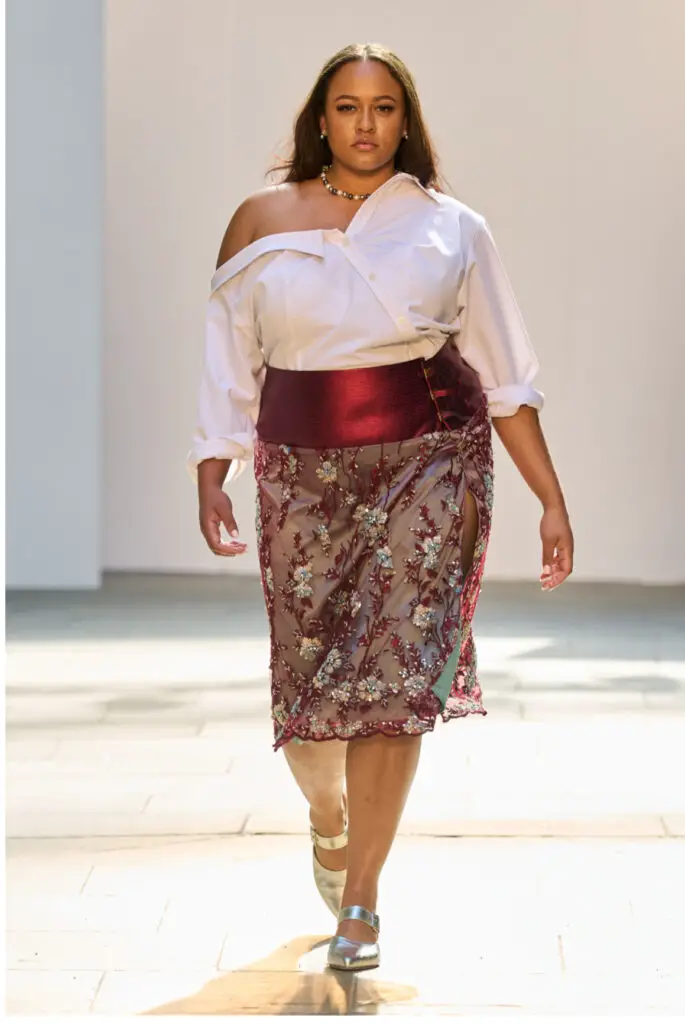
The excuses have worn thin. Designers can no longer hide behind claims that plus size design is “too difficult” or that their artistic vision only works on specific body types. The truth? Many designers simply haven’t prioritized learning how to dress diverse bodies. They’ve built entire careers catering to an idealized form that represents a tiny fraction of actual consumers, and the industry has rewarded this myopia with prestige, press, and profit.
True creativity finds solutions, not excuses. And the few designers who consistently show size inclusive collections at NYFW, like Christian Siriano, prove that it’s absolutely possible when you actually commit to it.
Beyond Thin Stereotypes in Media
Reality TV and mainstream media still largely showcase slender figures, even though the average American woman wears a size 14 or above. This disconnect isn’t accidental. It contributes to body image issues, reinforces harmful stereotypes, and undermines self-esteem for millions of people.
We’re talking about an industry that claims to reflect culture while actively erasing the majority of people who participate in it. That’s not just bad business… it’s cultural violence.
Fashion Can Challenge Discrimination
Weight stigma shows up everywhere, from employment discrimination to healthcare bias to reduced quality of life. And fashion? Fashion is where fatphobia gets to strut down the runway in couture.
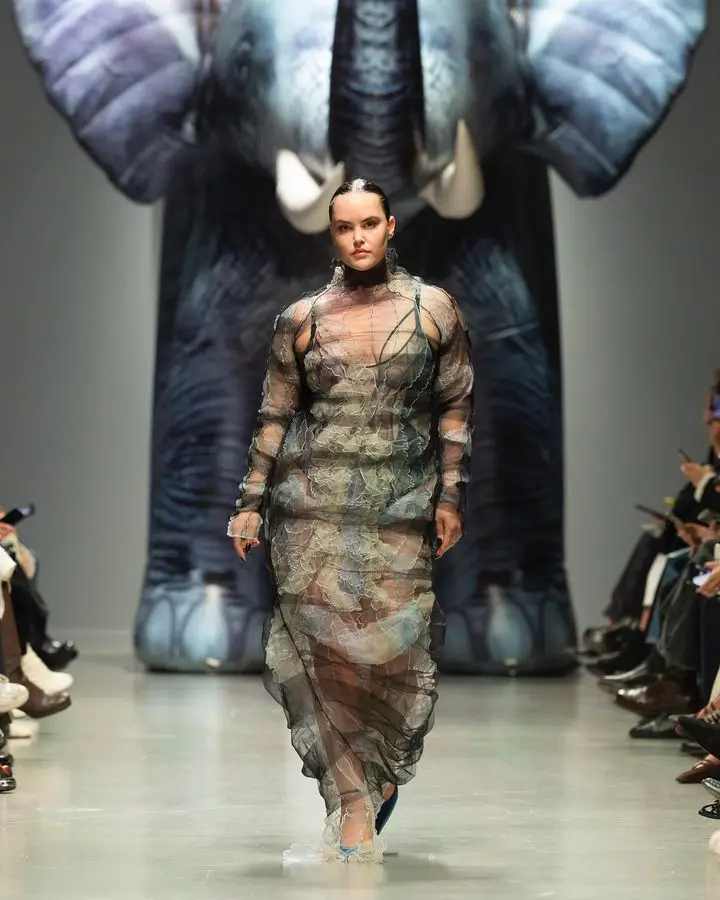
Fashion is one of the most visible arenas where fatphobia plays out. When luxury brands refuse to make clothes in extended sizes, when runways are devoid of bigger bodies, when sample sales only go up to a size 8… these aren’t neutral choices. They’re active statements about who deserves access to beauty, style, and self-expression.
Mental Health and Self Expression
Here’s something most people don’t connect: fashion exclusion has real mental health consequences. The CDC found that nearly one in five teens has been diagnosed with anxiety or depression, with rates climbing substantially through 2023. When you spend your formative years being told your body is wrong through every cultural message you receive, including what you see on runways and in magazines, it takes a toll.
There’s a direct line between fashion exclusion and mental health outcomes for people in larger bodies. When you’re constantly told through cultural messaging that your body is wrong, unworthy, or invisible, it takes a psychological toll. Inclusive fashion isn’t frivolous… it’s a component of dignity and mental wellness.
What Plus Size Fashion Actually Represents
As we watch another NYFW unfold with predictably limited size diversity, it’s worth remembering what’s really at stake. Plus size fashion isn’t a niche market or a trend to capitalize on when convenient. It’s a movement rooted in the belief that all bodies deserve to participate fully in public life, to be seen, celebrated, and dressed with the same care and creativity afforded to smaller bodies.
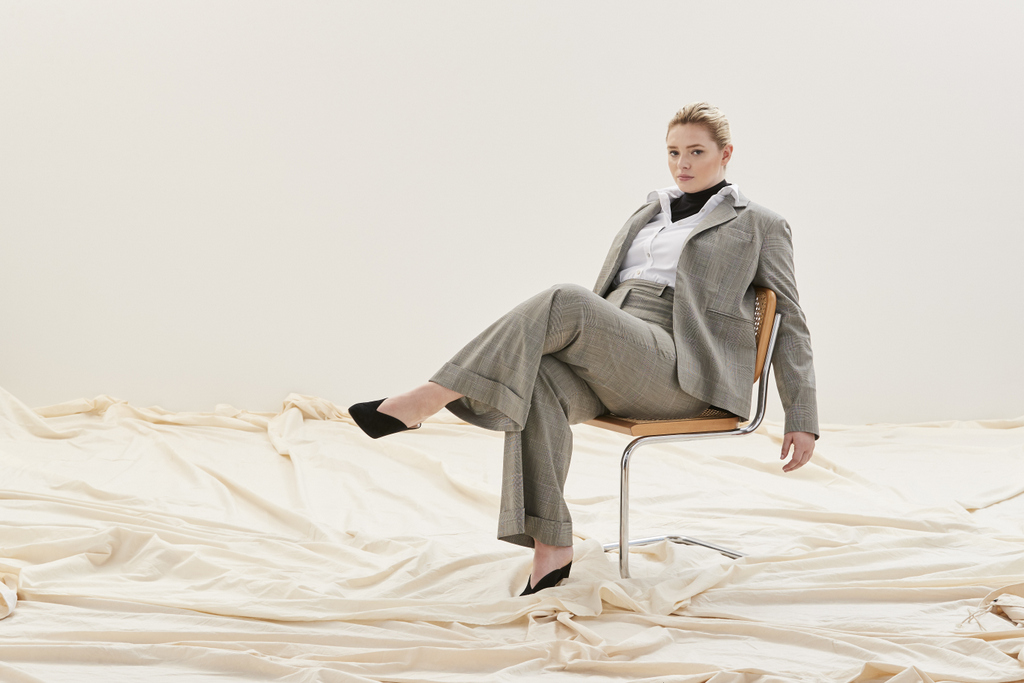
Every time we advocate for size inclusive fashion, we’re not just asking for clothes. We’re demanding a seat at the table. We’re insisting that our money, our voices, and our bodies matter. And honestly? We’re done asking nicely.
This is the essence of why plus size fashion representation transcends the garments themselves. It’s about power, visibility, and the radical act of taking up space in an industry that has historically demanded we shrink… literally and figuratively.
Evolving Fashion Education Matters
Fashion schools have traditionally ignored plus size design in favor of standard sample sizes. While some institutions are beginning to integrate inclusive training, we’re still a long way from making inclusive design education the norm.
The pipeline problem starts in fashion education. If design students aren’t taught to think about diverse bodies from day one, if their entire training revolves around a size 2 dress form, how can we expect them to create inclusive collections when they launch their brands? We have to change the foundation.
Icons Lead Change
Jane Dipika Garrett’s journey as the first plus size semi-finalist at Miss Universe 2023 exemplifies more than style. It’s about breaking beauty norms and giving diverse people visible platforms. Fashion becomes a catalyst for change when champions like her step into the spotlight.
Thrift Culture and Accessibility
The recent surge in weight loss injections led to an unexpected outcome: an influx of donated plus size clothing. This has made stylish, affordable fashion more accessible to many through secondhand markets, creating a positive ripple effect in both sustainability and inclusivity.
Fashion as Empowering Storytelling
Plus size fashion representation and style isn’t just about clothes. It’s storytelling. Each garment reflects identity, experiences, and resilience. It’s a powerful signal to the world that everyone deserves to feel both seen and stylish, regardless of size.
For plus size women in fashion spaces, our existence is political whether we want it to be or not. Every photo shoot, every runway walk, every magazine cover is a statement that says: we belong here too. And we’re not leaving.
The Path Forward
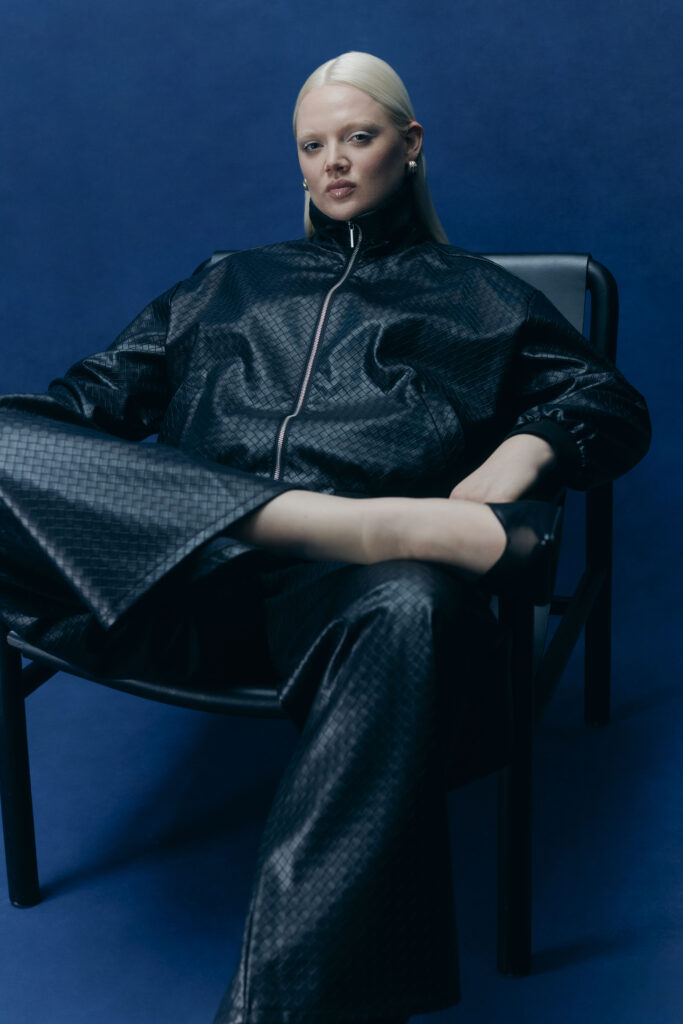
So, as NYFW 2026 unfolds and we inevitably see the same lack of size diversity that’s plagued fashion weeks for decades, let’s be clear about what we’re witnessing: not a failure of imagination, but a failure of will. The plus size market has proven its economic power. The community has demonstrated its influence. The only thing missing is industry accountability.
Plus size fashion will continue to be more than just clothes because it has to be. Until the day when seeing a size 18 body on a runway is as unremarkable as seeing a size 2, plus size style will carry the weight of plus size fashion representation, resistance, and revolution.
And we’ll keep showing up, taking up space, and demanding better… one fabulous outfit at a time.